
Zebra Trout: The Complete Guide to Spain's Most Mysterious Fish
abadianicolas
Jul 10
5 min read
Updated: Sep 25
If you have spent any time researching fly fishing in Europe, you may have come across a fish that stops experienced anglers in their tracks — a silver-flanked, red-spotted wild trout with golden fins that looks unlike anything swimming in Montana, New Zealand, or Iceland.
That fish is the zebra trout. And it lives in only one place on Earth.
What Is the Zebra Trout?

The zebra trout (Salmo trutta) is the native brown trout of the Spanish Pyrenees — an endemic subspecies that has evolved in the mountain rivers of northern Spain over thousands of years, completely isolated from trout populations elsewhere in Europe.
What makes it visually extraordinary is its colouration. Unlike the typical brown trout found across the Northern Hemisphere, the zebra trout displays a silver-white body covered in distinctive red and black spots, with striking golden-yellow fins. When you hold one in the water before releasing it, the colours are almost impossible to believe.
Its name comes from the faint lateral stripe that runs along its body — a feature unique to this subspecies and the reason local anglers have called it "trucha zebra" for generations.
Where Does the Zebra Trout Live?
The zebra trout is found exclusively in the rivers of the Spanish Pyrenees — specifically in the clean, cold, fast-flowing mountain rivers of Aragón and Catalonia. The rivers Cinca, Ara, Gállego, and Noguera Ribagorzana are among its most important habitats.
These are not stocked rivers. The zebra trout you catch in the Pyrenees is a genuinely wild fish — born in the river, feeding on natural hatches, and never touched by a hatchery. This is increasingly rare in European fly fishing, where most rivers rely on artificial stocking to maintain fish populations.
The water quality required to support healthy zebra trout populations is extraordinarily high — crystal clear, oxygen-rich, and fed by glacial snowmelt from peaks exceeding 3,000 metres. If the water is not perfect, the fish simply are not there.
Why Do Fly Fishers Travel Thousands of Miles for the Zebra Trout?
The answer is simple: exclusivity.
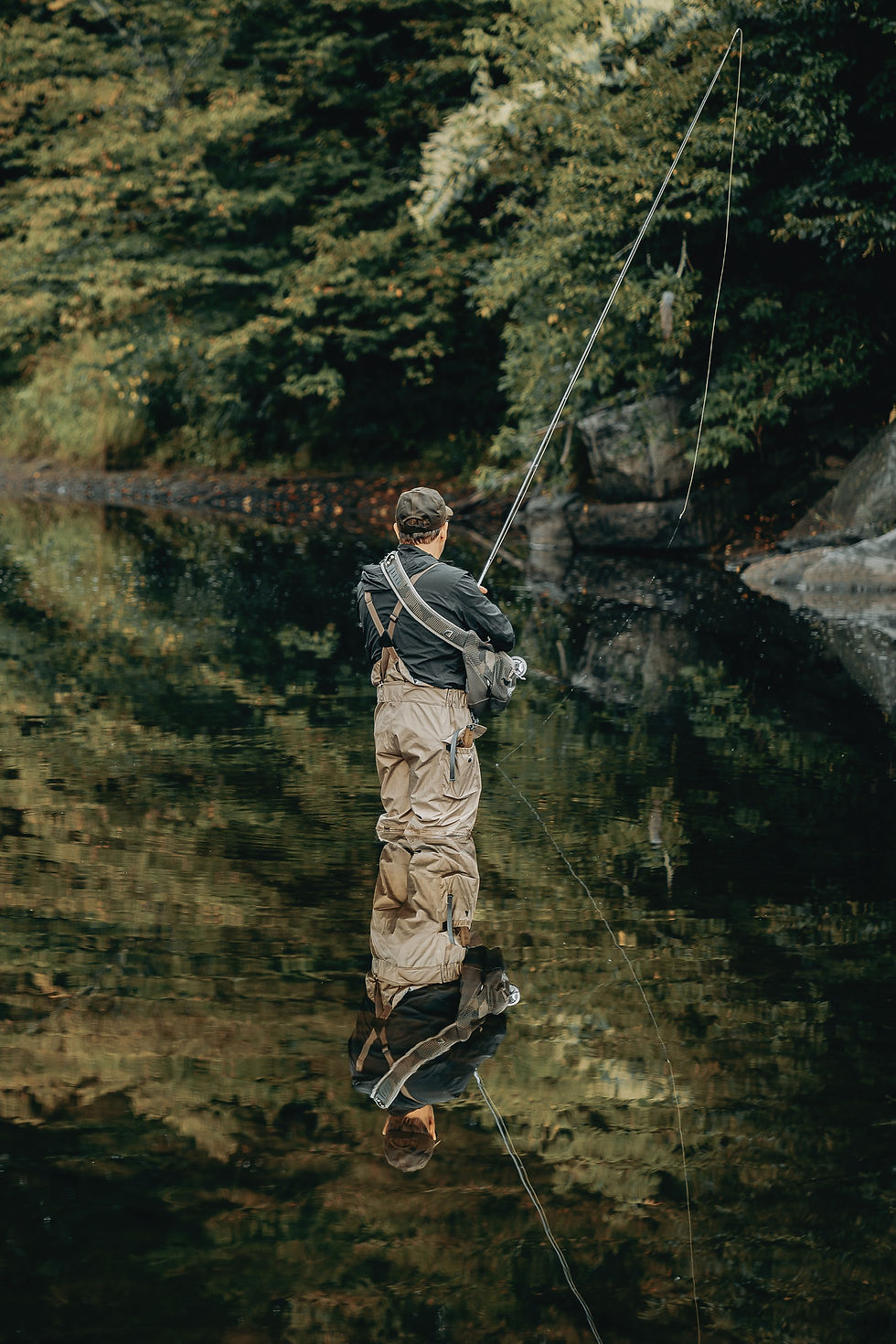
Every serious fly fisher has a bucket list. Montana's Madison River. The chalk streams of southern England. The rivers of Patagonia. But the zebra trout of the Spanish Pyrenees? This is the fish that most anglers have never heard of — and the one they talk about for the rest of their lives once they have caught it.
There are three reasons experienced anglers rate zebra trout fishing so highly:
1. They are genuinely wild and exceptionally waryA zebra trout that has never seen an artificial fly is still one of the most technical fish you will ever target. The water is often gin-clear, the fish can see everything, and a sloppy presentation or the wrong pattern means no take. This is the kind of fishing that makes you a better angler.
2. The rivers are uncrowdedWhile the famous trout rivers of Montana, Iceland, and New Zealand attract guides and clients from around the world, the rivers of the Spanish Pyrenees remain almost entirely unknown to international anglers. On a typical day on the Cinca or Ara, you may not see another angler all day.
3. The fish are beautiful beyond wordsPhotographs do not do them justice. The silver flanks, the gold of the lower fins, the vivid red spots — a zebra trout held briefly in the current before release is one of the most beautiful sights in freshwater fishing.
When Is the Best Time to Fish for Zebra Trout?
The official fly fishing season in Aragón runs from 1st March to 31st October, with peak conditions varying by month:
Spring (March — May): Water levels are high from snowmelt, but the first hatches of the year bring fish to the surface. Experienced anglers who know the rivers can have extraordinary days in April and May.
Summer (June — August): This is the most popular season. Water temperatures are ideal, hatches are prolific, and long evenings give you time to fish the magical golden hour before dark. July and August see the best dry fly action of the year.
Autumn (September — October): Often the best-kept secret in Pyrenean fishing. Water levels drop, fish become concentrated in the deeper pools, and the colours of the riverside forest are extraordinary. September and October can produce the largest fish of the year.
Winter (November — February): The season is closed for trout, which allows the population to regenerate. Some private waters offer year-round fishing — contact us for details.
How to Catch Zebra Trout on a Fly
Zebra trout are primarily dry fly fish. The rivers of the Pyrenees see consistent hatches throughout the season, and fishing a well-presented dry fly over a rising fish is the most effective and satisfying approach.

The most effective patterns include:
CDC Emergers — essential during the Baetis hatches of spring and autumn
Elk Hair Caddis — reliable throughout the season on faster water
Parachute Adams — a universal pattern that works when you are unsure of the hatch
Klinkhammer — particularly effective in broken water and riffles
Tippet selection is critical. The water clarity demands fine tippets — typically 6X or 7X — and any drag on the fly will immediately put fish down. Presentation is everything.
What Makes a Private Guided Fly Fishing Experience Different?
Fishing the zebra trout rivers of the Spanish Pyrenees without a guide is possible — but you will spend days figuring out the permits, the cotos, the regulations, and the best access points. Spain's fishing regulations are complex and vary by river and region.
With a private guide who has spent two decades on these rivers, everything changes. The right river for the conditions. The right fly for the hatch. The right approach for each pool. You arrive, you fish, and you focus entirely on what matters.
At Trout & Flies, every guided day is completely private — just you and your guide, on rivers that most of the world does not know exist. We handle everything: fishing licenses, coto permits, equipment, transport, and streamside meals.
This is not a group tour. It is a private fly fishing experience designed around you.
Ready to Catch Your First Zebra Trout?
The rivers of the Spanish Pyrenees are waiting. The zebra trout are rising. And the experience of catching a wild, native fish in one of Europe's most beautiful mountain landscapes is something you will carry with you for the rest of your life.

Comments